Do not force the workflow into a product shape too early.
Understand what the system must accomplish, where the complexity comes from, and what cannot be compromised.
LogicAide combines software engineering, systems thinking, technical problem-solving, interface design, automation, AI, and digital strategy to turn difficult workflows into clear, maintainable systems.
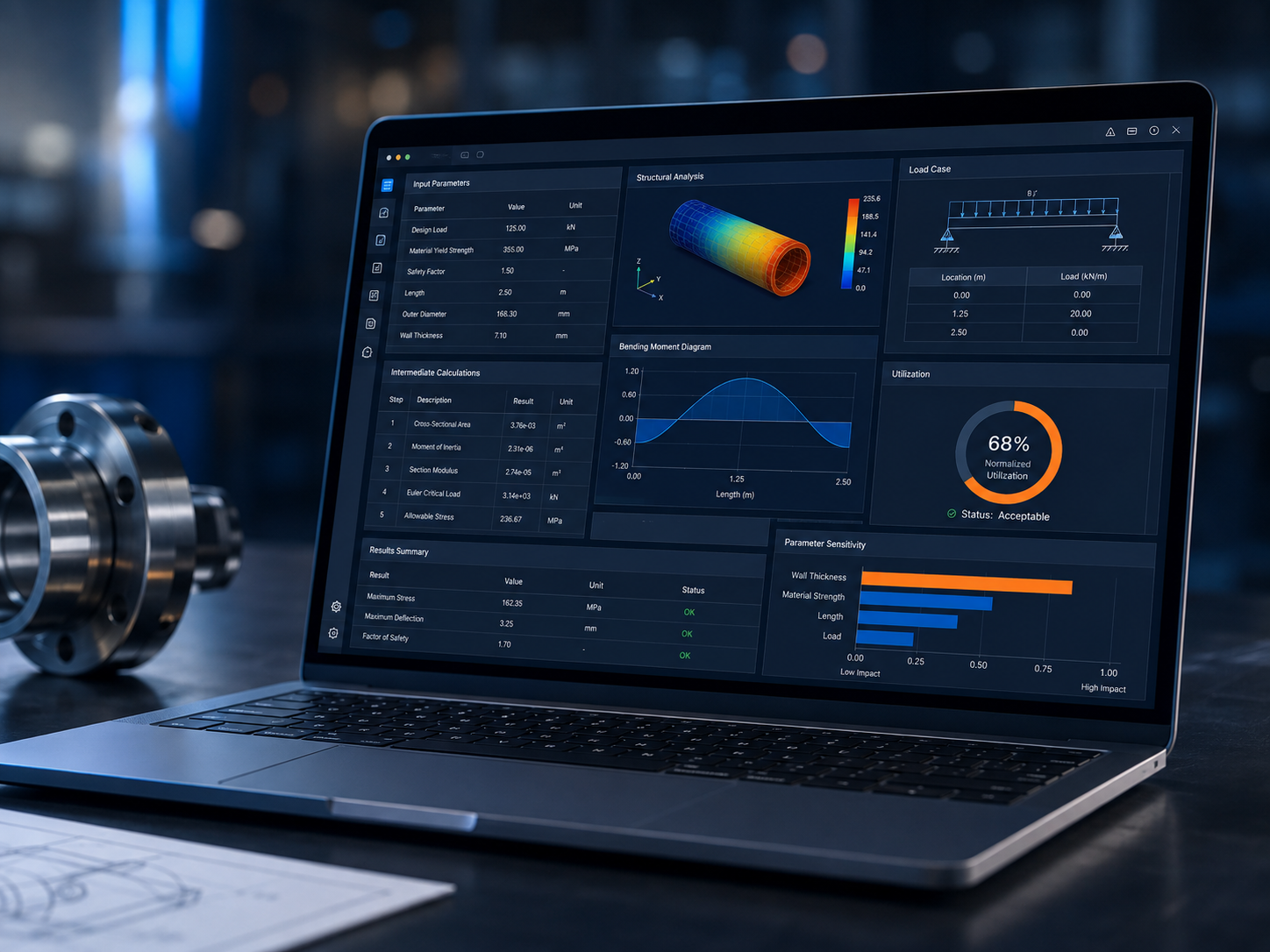
LogicAide is built for projects involving technical rules, unusual workflows, equipment, calculations, multiple systems, specialized users, large data flows, or decisions that cannot be reduced to a generic template.
Before designing the software, we map the people, rules, data, constraints, integrations, and outcomes that define the real system.
The goal is not to make software look complicated. The goal is to make a complicated process feel controlled, understandable, and easier to operate.
Understand what the system must accomplish, where the complexity comes from, and what cannot be compromised.
Calculations, validation, decisions, exceptions, permissions, and system behavior should be designed deliberately.
Users, devices, databases, APIs, legacy tools, mobile workflows, and business platforms often need to work together.
Architecture, interfaces, data models, and deployment choices should support future change instead of resisting it.
That breadth matters when a project crosses boundaries. A portal may need custom software, APIs, cloud infrastructure, automation, analytics, mobile support, and a polished user experience at the same time.
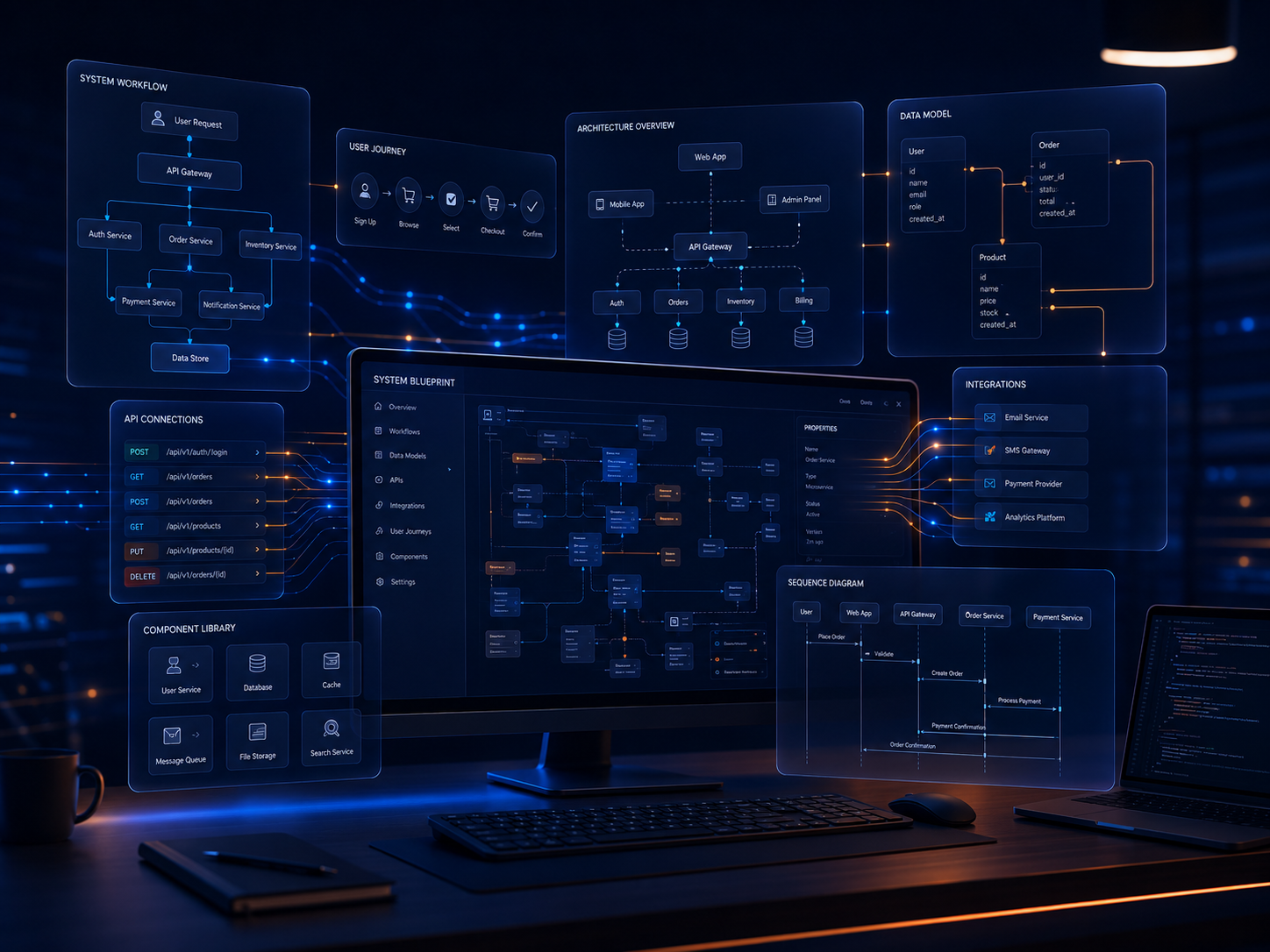
A strong system needs both. The underlying logic has to be correct, and the people using it have to understand what to do next.
Complex projects often require more than coding skill. The team has to understand the rules, constraints, measurements, calculations, workflows, or operational realities behind the interface.
Navigation, hierarchy, permissions, data presentation, mobile behavior, alerts, forms, dashboards, and workflows should feel like one coherent product.
The useful solution may include APIs, devices, cloud services, databases, integrations, automation, analytics, and business systems—not just a front end.
Users, workflows, rules, data, constraints, integrations, risks, and outcomes.
Architecture, data relationships, decision logic, states, exceptions, and dependencies.
Navigation, interaction, hierarchy, responsive behavior, permissions, and user flows.
Software, integrations, automation, AI, infrastructure, data, reporting, and tooling.
Refine the system as users, processes, technology, and business needs change.
You do not need a finished specification to begin the conversation.