Software engineered around the problem—not the template.
LogicAide designs custom software, mobile applications, web platforms, engineering tools, automation systems, and AI-enabled solutions for workflows that standard software cannot handle well.
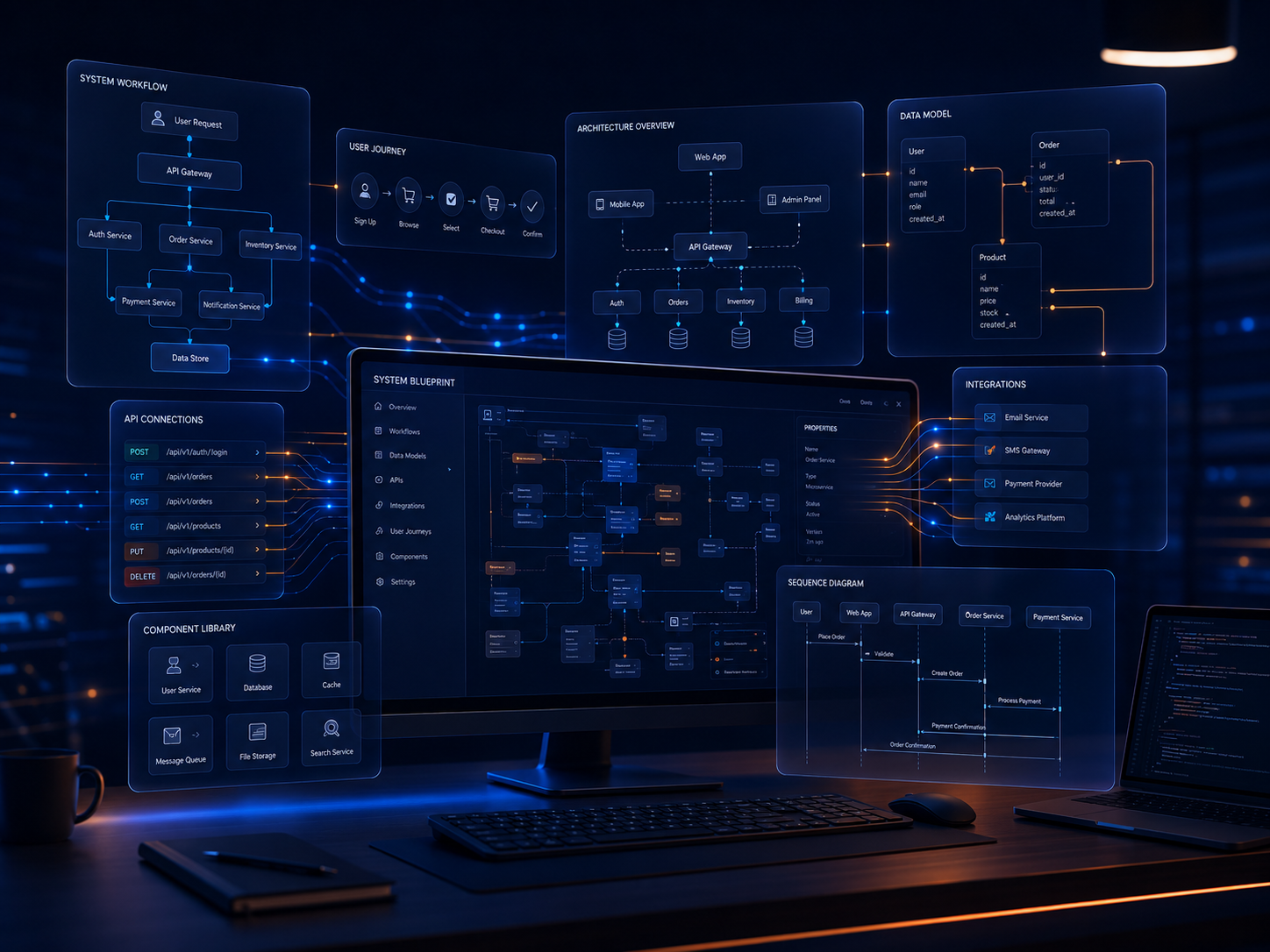
When standard software stops fitting the work.
Off-the-shelf software works well when your workflows are standard. It becomes a constraint when your processes, calculations, integrations, data, users, or operating environment are not.
LogicAide approaches software as an engineering problem: understand the requirements, simplify the workflow, choose the right architecture, and build a maintainable solution around the business objective.
One development partner. Multiple solution types.
From a specialized engineering tool to a customer-facing platform, the architecture should follow the problem—not the other way around.
Custom Software Development
Purpose-built business software designed around unique workflows, rules, data, users, and operational requirements.
Explore custom software →
Mobile Application Development
Mobile applications for customers, field teams, operations, data collection, connected systems, and mobile workflows.
Explore mobile apps →
Web Applications & Portals
Secure web applications, dashboards, internal systems, customer portals, and connected digital platforms.
Explore web applications →
Engineering & Automation Software
Calculation software, technical applications, equipment interfaces, automation, test systems, and engineering workflows.
Explore engineering software →
AI & Intelligent Automation
Applied AI, intelligent assistants, document and data workflows, decision support, and automation integrated into useful systems.
Discuss an AI solution →
Cloud, APIs & Integrations
Cloud architecture, APIs, connected services, system integration, deployment, infrastructure, and data exchange.
Explore cloud solutions →Built for the problems that do not fit neatly into a template.
Custom development is most valuable when the software needs to reflect specialized knowledge, operational complexity, multiple systems, or a workflow that gives your business an advantage.
Complex workflows
Multiple roles, approvals, rules, calculations, or exception paths.
Technical requirements
Engineering logic, equipment data, specialized calculations, or controlled processes.
Disconnected systems
Applications, databases, instruments, services, and teams that need to work together.
Growth constraints
Legacy or manual processes that can no longer scale with the organization.
Software that connects people, data, and operations.
From engineering tools and internal systems to customer platforms and mobile workflows, each solution is shaped around the people, data, and operations it must support.
Technical calculation and analysis platforms
Turn specialized formulas, technical methods, calculations, data handling, and reporting into a repeatable software workflow that is easier to use, control, and maintain.
- Calculation engines and engineering logic
- Data entry, validation, and reporting
- Controlled workflows and user roles
Applications for work away from the desk
Give field teams access to the right data, forms, records, instructions, and workflows while keeping information connected to the broader business system.
- Field data collection and records
- Offline/online workflow design
- Photo, form, status, and task handling
One place for customers, teams, documents, and status
Bring scattered information and processes into a secure web platform with the right views for customers, employees, managers, and administrators.
- Customer and partner portals
- Dashboards and operational views
- Documents, status, alerts, and workflows
Structured enough for control. Flexible enough for discovery.
Complex software rarely becomes clear all at once. The process should reduce uncertainty early and keep technical decisions connected to business goals.
Discover
Goals, users, constraints, systems, data, and technical requirements.
Architect
Workflows, architecture, interfaces, integrations, and project direction.
Build
Iterative development with visible progress and focused technical decisions.
Validate
Testing, review, refinement, deployment preparation, and production checks.
Evolve
Support, maintenance, new features, integrations, and continued improvement.
Tell us what the software needs to accomplish.
We can help define the right approach before you commit to a platform, architecture, or development path.